qEEG Brain Mapping in Carmel, IN
A Brain Map Helps When Something Still Isn’t Adding Up
When therapy, medication, school support, or standard testing have helped but still leave questions, a qEEG brain mapping assessment can provide a clearer neurological baseline for the next conversation.
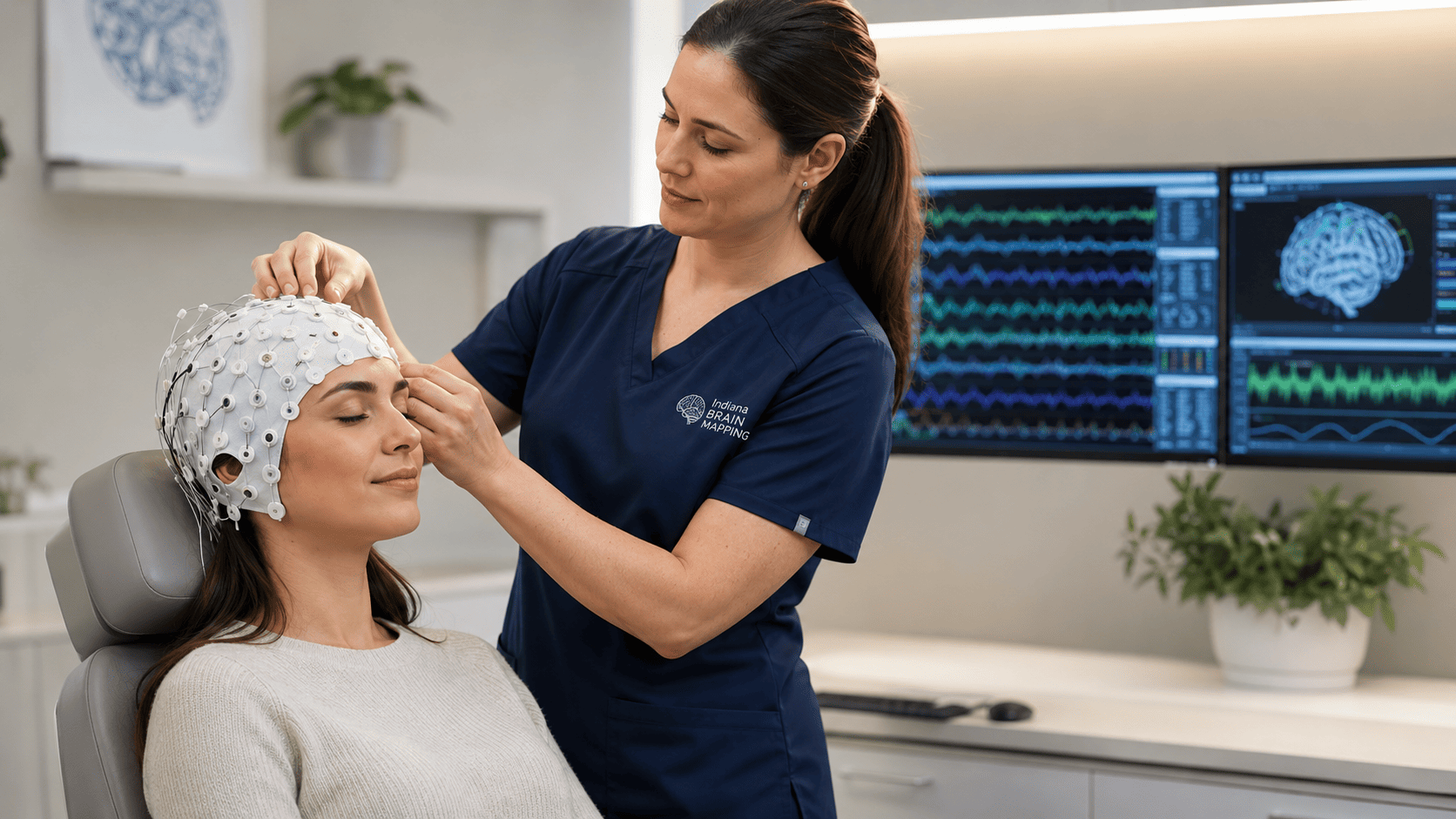
Non-invasive brain activity insight
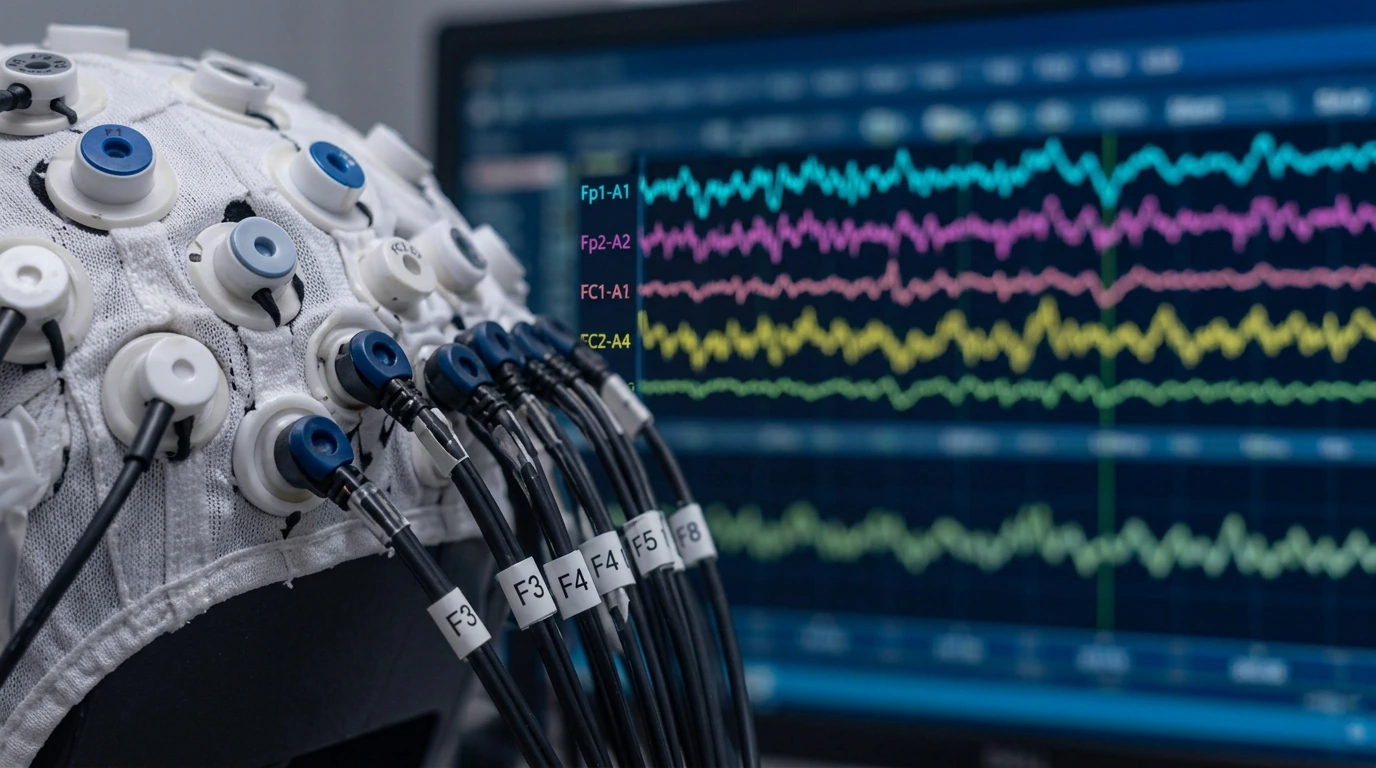
The sensors record electrical activity from the scalp. Nothing is inserted and no current is sent into the brain.
Sensor Cap Recording
Non-invasive EEG data collection
qEEG Analysis
Compared with age-based patterns
Results Review
Findings explained in plain language
Carmel, IN
Serving Hamilton County and nearby areas
What We Offer
Brain Function Insight for More Focused Next Steps
Indiana Brain Mapping helps clients look beneath symptoms and labels by measuring brainwave activity, reviewing functional patterns, and turning that information into a clearer discussion about what may come next.
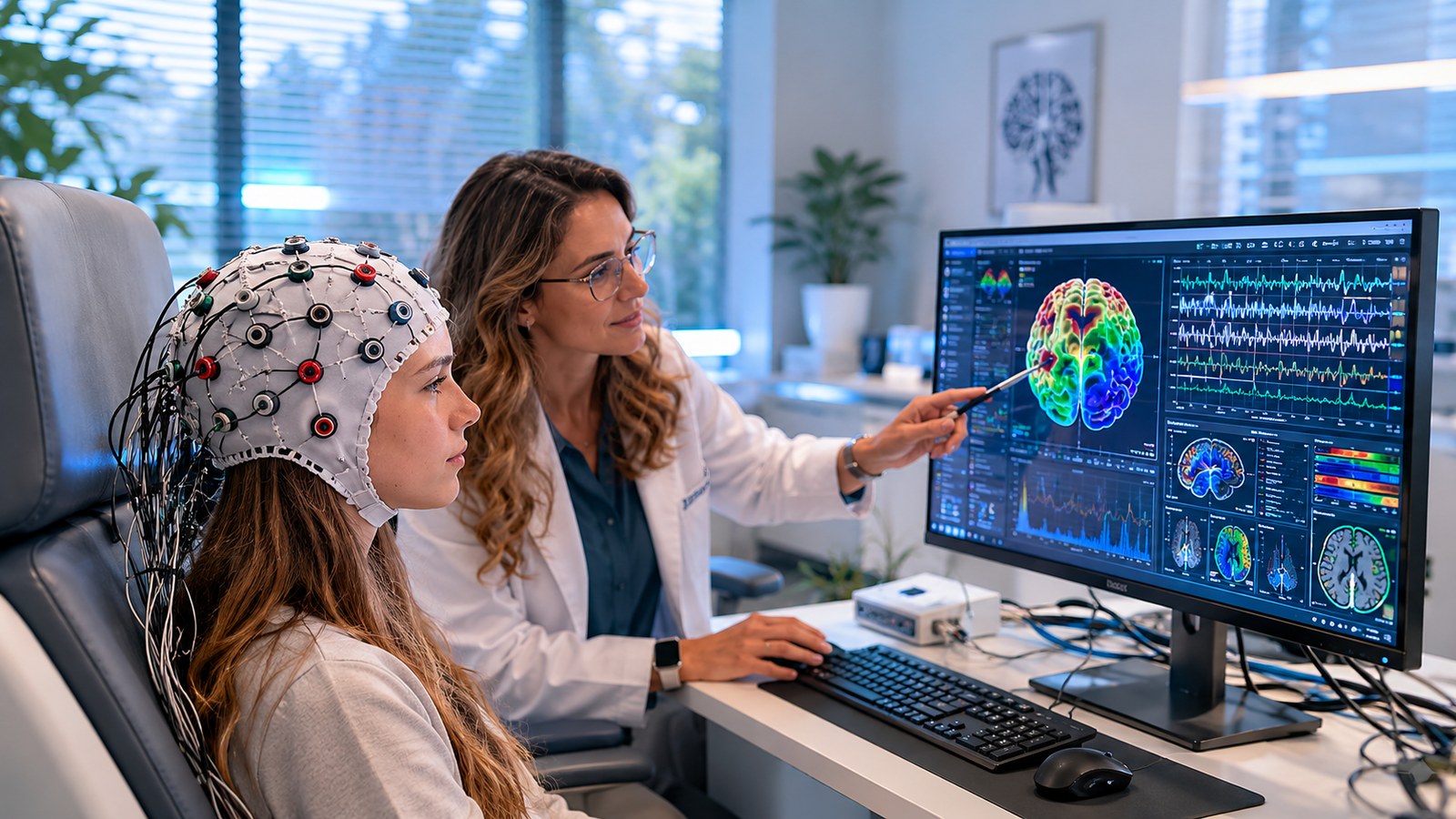
qEEG Brain Mapping Assessment
EEG brainwave data is collected through sensors on the scalp, then measured and compared with typical patterns for the same age range.
Brain Activity and Connectivity Review
The assessment may show patterns of overactivity, underactivity, or coordination issues between regions that are not visible on standard imaging.
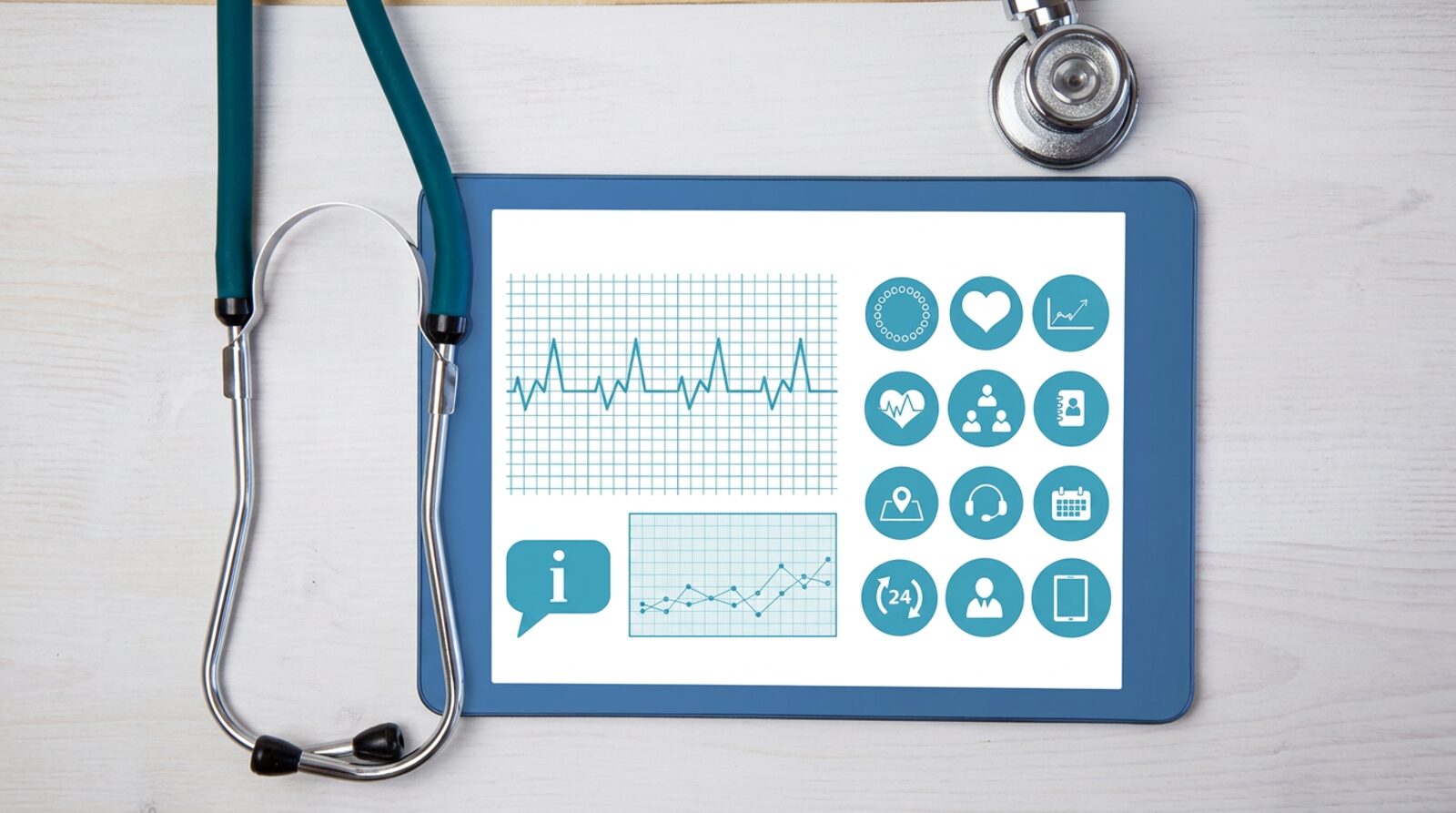
Detailed Reports and Guidance
Reports can help organize conversations with therapists, prescribers, schools, support teams, or family decision-makers when more context is needed.
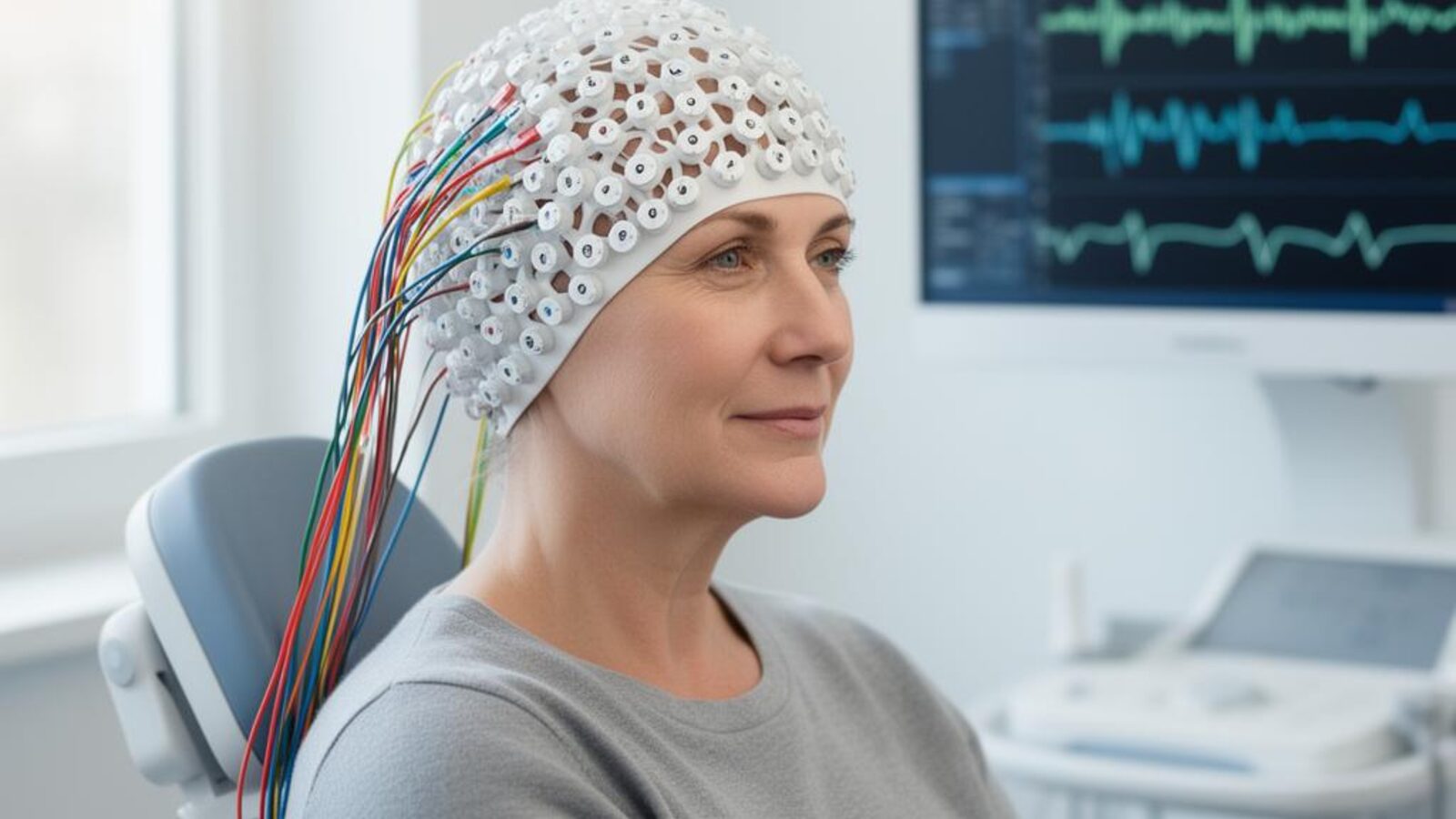
What qEEG Can Help Clarify
A Neurological Baseline, Not a Quick Label
A qEEG brain mapping assessment does not produce a diagnosis by itself. It provides a map of how the brain is currently operating, which can make the next clinical, school, or family conversation more specific.
It can be useful when something has not been adding up and you need more than another symptom checklist.
- Brainwave activity that may fall outside expected ranges
- Connectivity patterns between different brain regions
- Information that may guide neurofeedback or follow-up care discussions
- A clearer report to share with schools, therapists, or medical providers
Important note: Brain mapping is not an official diagnostic tool and should not be presented as a diagnosis or cure. It is used to investigate brain activity and connectivity.
Who qEEG Is For
Useful When the Usual Answers Still Feel Incomplete
The people who often get the most from a qEEG brain mapping assessment are not always starting from zero. Many have already tried a few things and want better information before choosing the next step.
Attention and Learning Questions
For children or adults navigating ADHD concerns, school struggles, processing speed questions, or accommodations that have not fully explained what is happening.
Anxiety, Mood, and Sleep Patterns
For people who are making progress but want to better understand the brain patterns that may connect with mood shifts, stress responses, or sleep concerns.
Concussion and Cognitive Fog
For someone who still does not feel like themselves after a concussion, or who is dealing with fog, memory concerns, or daily functioning changes.
Treatment Planning Conversations
For families and providers considering neurofeedback, medication conversations, therapy goals, or school support plans and wanting a clearer neurological baseline.
How It Works
From Intake to Results Review
The appointment is designed to be straightforward. Most assessments include a brief intake conversation, a sensor cap recording, data processing, and a separate results review so the findings are not rushed.
1. Intake Conversation
We talk through what brought you in, what has already been tried, and what questions you want the assessment to help clarify.
2. Sensor Cap Recording
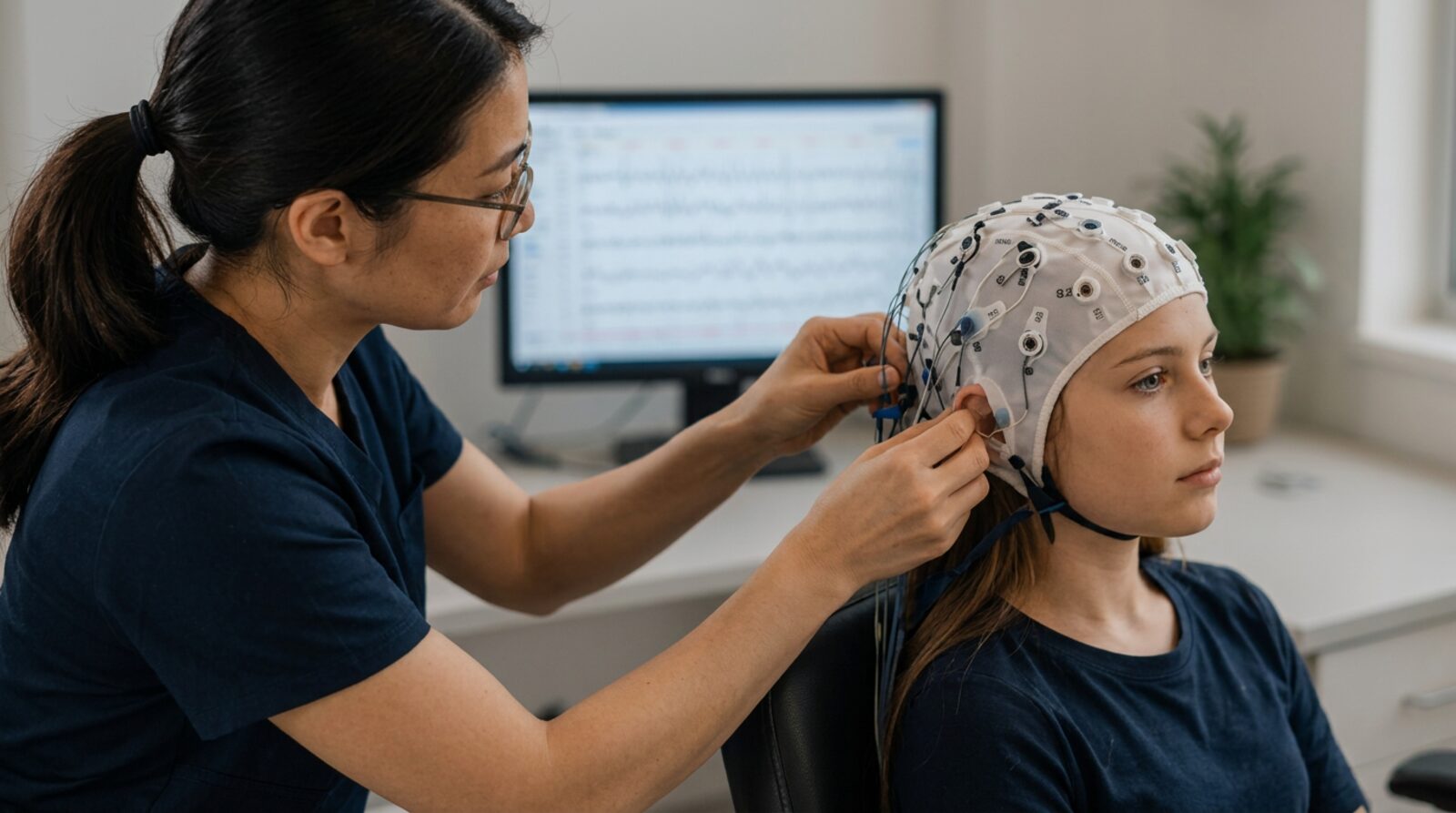
A sensor cap records brainwave activity while you sit quietly with eyes open and eyes closed during different parts of the session.
3. Data Processing
The raw data is reviewed and processed so movement, blinking, or signal noise are not treated as meaningful findings.
4. Results Review
The findings are explained in plain language, including what the map may suggest and which next steps may be worth discussing.
Book an Appointment
Talk Through Whether Brain Mapping Fits Your Situation
Getting started does not require a referral or a commitment beyond a conversation. Call Indiana Brain Mapping at 317-503-1296 or use the booking page to ask whether a qEEG brain mapping assessment makes sense for you or your child.
For Groups and Organizations
Group Brain Mapping Offer
If an organization, school, or business has a group of three or more people interested in a brain map, Indiana Brain Mapping can provide an on-site session at your facility and offer personalized service directly to your group.
This can be useful for teams, families, or organizations that want a more convenient way to explore qEEG brain mapping together.

Meet the Doctor
Dr. Jane Yip
PhD, BCBA
Director of Autism Parent Care
NGO member of UN
Indiana Brain Mapping’s staff is trained in the neuroscience of brain circuits involved in different mental disorders. The team has performed brain maps for individuals with autism, depression, bipolar disorders, learning disorders, and early onset Alzheimer’s disease.
The goal is to help clients better understand patterns that may be affecting stability, learning, mood, or daily functioning, without reducing a person to a label.
Detailed Reports
Clearer Documentation for Bigger Conversations
A written qEEG report can make brain mapping information easier to discuss after the appointment. It gives families and providers a shared reference point instead of relying only on memory, symptoms, or scattered observations.
When appropriate, the report may support conversations with schools, therapists, prescribing providers, or support agencies. It does not replace those relationships. It gives them more useful information to work with.
Questions
Common Questions About qEEG Brain Mapping
What is a qEEG brain mapping assessment?
A qEEG brain mapping assessment records EEG brainwave activity through sensors placed on the scalp, then compares that data with a normative database. The goal is to help show patterns in brain activity and connectivity. It is not an official diagnosis, but it can provide useful information when you are trying to better understand brain function.
Who can benefit from qEEG brain mapping?
qEEG may be useful for children, teens, or adults when attention concerns, anxiety, sleep problems, cognitive fog, concussion history, mood patterns, or school struggles still need more context. It does not require a diagnosis to be useful. It requires a question worth answering.
How is qEEG different from a hospital EEG or neuropsychological testing?
A hospital EEG usually looks for specific clinical concerns such as seizure activity. Neuropsychological testing measures behavioral output such as memory, attention, or processing speed. qEEG looks at the underlying electrical activity and functional patterns that may help explain why certain challenges are showing up.
What happens during the appointment?
The appointment usually includes a brief intake conversation and a sensor cap recording. Nothing is inserted and no current is sent into the brain. You sit quietly while the equipment records brain activity, then the data is processed before a separate results review.
Can qEEG brain mapping diagnose autism, depression, anxiety, or ADHD?
No. qEEG brain mapping is not an official diagnostic tool and should not be presented as one. It can help investigate brain activity and connectivity, which may provide additional context for concerns related to autism, depression, anxiety, mood regulation, learning issues, or attention. Diagnosis should come from the appropriate licensed medical, psychological, or educational professional.
Start With a Clearer Conversation
If you want to talk through qEEG brain mapping assessment options in Carmel, Indiana Brain Mapping can help you decide whether the process makes sense for your situation. Call 317-503-1296 or use the booking page to ask what information would be useful before scheduling.